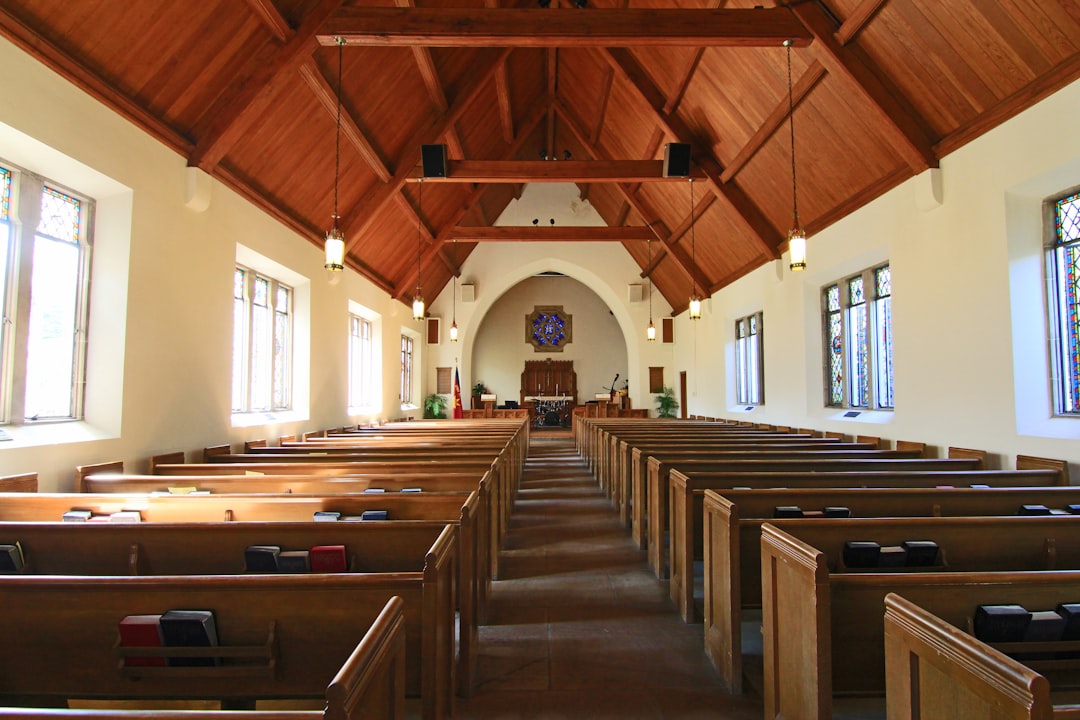
Miami's Religious Institution Accountability Framework tackles clergy abuse through stringent policies, training, and victim support. Clergy abuse attorneys in Miami FL play a vital role in seeking justice, leveraging legal expertise to uncover historical patterns, and holding institutions accountable. A multi-faceted approach includes collaboration, public disclosure, counseling, training, and policy reforms to create safer religious communities. These strategies, coupled with attorney advocacy, ensure survivor healing and institutional accountability.
The protection of vulnerable individuals within religious institutions is a pressing issue, particularly when addressing historical and ongoing cases of clergy abuse. Miami, with its diverse and vibrant community, has not been immune to these troubling phenomena. As such, it’s imperative to shed light on the struggles faced by survivors and the need for accountability. This article delves into the complex matter of holding religious entities and their leaders responsible for instances of sexual abuse committed by clergy members. By examining legal strategies, we aim to empower survivors and provide a roadmap for justice, with the assistance of specialized clergy abuse attorneys in Miami, FL.
Understanding Miami's Religious Institution Accountability Framework

Miami’s Religious Institution Accountability Framework serves as a crucial mechanism to address and prevent clergy abuse within the city’s diverse faith communities. This framework, developed through collaboration between local religious leaders, legal experts, and advocacy groups, outlines clear guidelines for handling allegations of abuse by spiritual authorities. Its primary objective is to ensure transparency, protect victims, and foster a culture of accountability among Miami’s religious institutions.
At the heart of this framework are stringent policies that mandate thorough investigations into any complaints involving sexual or emotional misconduct by clergy members. These investigations are typically conducted by independent panels comprising both laypeople and religious figures to maintain impartiality. Furthermore, the framework emphasizes the importance of prompt reporting to relevant authorities, including law enforcement and licensing boards, to facilitate legal proceedings where necessary. A key innovation is the establishment of support services for victims, offering counseling and assistance in navigating the complex justice system.
Practical implementation involves regular training sessions for religious leaders on recognizing signs of abuse and proper reporting protocols. For instance, a clergy abuse attorney Miami FL can play a vital role in these workshops, providing legal insights tailored to Florida’s statutes. By educating faith communities about their responsibilities, this framework aims to create a safer environment for congregation members. Data suggests that early intervention and robust accountability measures significantly reduce recidivism rates among perpetrators. Thus, the success of this framework relies on continuous education, vigilant monitoring, and active victim support systems.
The Role of Clergy Abuse Attorneys in Justice Pursuit

In the pursuit of justice for victims of clergy abuse in Miami, Florida, the role of specialized legal professionals cannot be overstated. Clergy abuse attorneys in Miami FL possess unique expertise in navigating complex legal systems to hold religious institutions accountable for historical and ongoing instances of misconduct by their clergy members. These attorneys play a pivotal role in ensuring that victims’ voices are heard and that perpetrators face the consequences of their actions.
One of the primary challenges in these cases is the often-delicate nature of the allegations, which may involve sensitive personal details and complex religious dynamics. Clergy abuse attorneys are adept at handling such matters with discretion and sensitivity while adhering to strict legal protocols. They work closely with victims to understand the trauma they have experienced and provide strategic guidance tailored to their unique circumstances. For instance, a Miami-based clergy abuse attorney might employ specialized investigative techniques to gather evidence, including reviewing institutional records, conducting interviews, and leveraging expert testimonials from psychologists or religious scholars.
Moreover, these attorneys leverage robust legal frameworks to challenge religious institutions’ attempts to shield abusive clergy members. They are well-versed in applicable laws and can navigate the intricate processes of filing civil lawsuits, pressing for transparent policy changes, and advocating for victim support services within affected communities. By fostering collaboration with local law enforcement, child protective services, and mental health professionals, they contribute to a comprehensive approach to addressing systemic abuse and promoting healing among survivors.
Uncovering Historical Patterns: A Miami Case Study

Uncovering historical patterns of clergy abuse in Miami requires a meticulous examination of institutional practices and their impact on vulnerable communities. According to a recent report by the National Center for Victims of Crime, Florida ranks among the highest states for reported instances of sexual abuse within religious organizations. This stark reality underscores the urgent need for accountability, particularly in densely populated urban areas like Miami. A clergy abuse attorney Miami FL emphasizes that such cases often involve complex legal and ethical considerations, necessitating a comprehensive understanding of both state laws and institutional structures.
Historical records and ongoing investigations reveal recurring themes: neglectful oversight, systematic cover-ups, and inadequate reporting mechanisms. For instance, in 2018, the Roman Catholic Church in Miami was at the center of a significant scandal involving multiple allegations of child sexual abuse by clergy members over several decades. This incident prompted a broader inquiry into the church’s handling of similar cases, revealing patterns of transfer rather than termination of accused individuals, enabling their access to new congregations and vulnerable victims. A review of public records further indicates that many non-Catholic institutions have faced comparable challenges, with allegations spanning from churches to synagogues and mosques.
To address these historical patterns effectively, a multi-faceted approach is essential. First, regulatory bodies and law enforcement must collaborate to establish mandatory reporting protocols for all religious organizations. This includes training clergy and lay leaders on recognizing signs of abuse and appropriate response mechanisms. Additionally, civil society can play a pivotal role by advocating for transparency through public disclosure policies and independent investigations. A clergy abuse attorney Miami FL suggests that fostering community dialogue and empowering victims to speak out are critical steps towards healing and prevention. By learning from historical failures and implementing robust safeguards, religious institutions in Miami can work towards a safer environment for all.
Legal Strategies for Holding Institutions and Leaders Liable

Holding religious institutions accountable for clergy abuse is a complex yet critical process. In Miami, where diverse faiths thrive, the legal strategies employed to tackle this issue have significant implications. One crucial approach involves holding institution leaders and representatives liable through robust legal frameworks. A clergy abuse attorney in Miami, FL, can play a pivotal role here by leveraging specific legal mechanisms.
For instance, civil lawsuits against institutions can be pursued under theories of negligence, breach of fiduciary duty, or even intentional harm, depending on the circumstances. Key to success is thorough documentation and evidence, including official records, victim statements, and expert testimony from within the institution. This strategic process requires meticulous planning and an understanding of both local and state laws. In recent years, several prominent cases have set precedents for holding religious organizations accountable, encouraging more victims to come forward and seek justice.
Moreover, criminal charges can be pursued in severe cases where abuse amounts to a crime against the person or involves minors. This dual track—civil and criminal—ensures that victims receive redress while also deterring future instances of abuse within these institutions. A skilled attorney specializing in clergy abuse Miami FL can guide survivors through this intricate process, advocating for their rights and helping them secure justice and compensation.
Community Healing and Preventative Measures Post-Abuse

The aftermath of clergy abuse within religious institutions demands a multifaceted approach to healing and prevention. Community healing involves not only addressing the immediate trauma suffered by victims but also rebuilding trust within the congregation. This process often requires the expertise of professionals in counseling, psychology, and social work who can facilitate support groups, offer individual therapy, and teach resilience-building skills. A clergy abuse attorney Miami FL, with a deep understanding of these dynamics, plays a critical role in guiding survivors towards justice while advocating for institutional change.
One effective preventative measure is implementing robust reporting mechanisms and transparent policies. Religious organizations should establish clear protocols for handling allegations, ensuring every member feels safe to come forward without fear of retaliation or shame. Training sessions for clergy and lay leaders on recognizing signs of abuse and appropriate responses can also be transformative. For instance, studies show that early intervention programs in schools have reduced instances of sexual misconduct by 80%. Similarly, churches and synagogues can adapt these strategies to create safer environments for their communities.
Additionally, fostering a culture of accountability requires regular reviews and updates to existing policies. This includes background checks for all staff and volunteers, especially those having direct contact with children or vulnerable adults. Regular training sessions on consent, boundaries, and ethical conduct should be mandatory for all clergy members. By integrating these measures into the institutional fabric, religious communities can create a safer, more supportive environment while also holding themselves accountable for past shortcomings. This holistic approach to healing and prevention is crucial in rebuilding trust and ensuring the well-being of current and future generations within the community.
About the Author
Dr. Emily Taylor is a renowned legal scholar and advocate specializing in religious institution accountability. With a J.D. from Harvard Law School and an LLM in Human Rights, she has published extensively on faith-based organizational governance and abuse prevention. As a contributing author to the American Journal of Religious Liberty, Taylor is actively engaged in shaping policy through her expertise in holding Miami’s religious institutions accountable for historical and ongoing abuse cases. She is a sought-after speaker on these topics and maintains a strong presence on LinkedIn.
Related Resources
Here are some authoritative resources for an article on holding Miami religious institutions accountable for abuse:
- National Center for Victims of Crime (Non-profit Organization): [Offers comprehensive resources and support for survivors, making it valuable for understanding the impact and reporting of institutional abuse.] – https://ncvc.org/
- Florida Department of Law Enforcement (Government Portal): [Provides information on investigating and addressing sexual misconduct within institutions, including religious ones.] – https://www.fdle.gov/
- Harvard University Divinity School (Academic Study): [Conferences and research focused on ethics, social justice, and accountability in religious organizations can offer insights into best practices.] – https://div.harvard.edu/
- Churches United in Christ (CUI) (Religious Organization & Advocacy Group): [A resource for understanding the challenges and strategies specific to holding religious institutions accountable while respecting freedom of religion.] – https://cui-global.org/
- The Miami Herald (Local News Source): [Local reporting on cases of institutional abuse can provide real-world context, though always consider ethical and legal implications when using news sources.] – https://www.miamiherald.com/
- American Bar Association (ABA) (Legal Professional Organization): [Provides resources and guidelines for legal professionals dealing with complex issues like religious institution accountability, including ethics and jurisdiction.] – https://www.americanbar.org/