
Clergy abuse in Miami is a complex issue, often hidden through secrecy and complicity. Recognizing red flags like inappropriate contact, manipulation, and financial irregularities is vital for survivors. A clergy abuse attorney Miami FL guides survivors through legal complexities, advocating for their rights. Key steps include documenting interactions, seeking support, understanding local laws, and choosing an experienced lawyer specializing in this field. Early action increases the likelihood of successful outcomes. Survivors should connect with a compassionate lawyer, gather documentation, seek emotional support, file civil lawsuits, and approach cases with patience, combining legal actions with holistic healing practices for comprehensive recovery.
In recent years, the issue of clergy abuse has gained significant attention, highlighting the need for adequate legal representation for survivors. The impact on individuals and communities cannot be understated, particularly in vibrant cities like Miami. Florida, with its diverse population, presents unique challenges when addressing cases of clerical misconduct. Survivors often face complex legal paths, requiring specialized knowledge from a compassionate clergy abuse attorney Miami FL residents can trust. This article delves into the intricacies of this sensitive matter, offering valuable insights for those seeking justice and healing.
Understanding Clergy Abuse: Recognizing the Red Flags

Clergy abuse is a deeply sensitive and complex issue, often shrouded in secrecy and complicity. Recognizing the red flags is crucial for survivors seeking justice, healing, and closure. In Miami, where a significant segment of the population identifies as Catholic or Protestant, understanding the dynamics of clergy abuse becomes paramount. A clergy abuse attorney Miami FL can offer invaluable guidance to those who have suffered at the hands of religious leaders.
Red flags manifest in various forms, from inappropriate physical contact to emotional manipulation and sexual exploitation. Common signs include a recurring pattern of secretive behavior, sudden changes in demeanor or appearance, and isolation from friends and family. For instance, a priest or minister who frequently requests private conversations with individuals, especially minors, without legitimate pastoral reasons, could be raising concerns. Similarly, unusual financial transactions involving church funds or suspicious donations should trigger vigilance. Data suggests that many cases of clergy abuse go unreported due to fear of retaliation or mistrust in authority figures, making it essential for survivors to recognize and understand these indicators.
Actionable advice for potential survivors includes documenting interactions with the abuser, maintaining a record of any inappropriate behavior, and seeking support from trusted friends or family members. It is also crucial to inform oneself about local laws and the role of clergy abuse attorneys in Miami FL. These professionals are equipped to navigate complex legal landscapes, ensuring that survivors’ rights are protected and they receive the justice they deserve. By recognizing red flags and taking proactive steps, individuals can begin their journey towards healing and reclaiming control over their lives.
Legal Rights of Survivors: Knowledge is Power

Survivors of clergy abuse in Miami face unique challenges when pursuing justice. Understanding one’s legal rights is a crucial step towards healing and accountability. Knowledge empowers survivors to navigate complex legal systems, ensuring their voices are heard. It provides tools to hold perpetrators accountable, offer closure, and prevent future harm.
In Florida, including Miami, clergy abuse attorneys specialize in handling such sensitive cases. They guide survivors through the process, explaining legal options and potential outcomes. These attorneys advocate for victims’ rights, ensuring they receive fair treatment and compensation. For instance, a successful case could result in monetary damages, changes to institutional policies, or both. This not only provides financial support but also sends a strong message that such abuse will not be tolerated.
Practical advice for survivors includes documenting all interactions with the abuser and any relevant institutions. Keeping records of dates, locations, and details of the incidents can be invaluable evidence. Additionally, reaching out to a clergy abuse attorney Miami FL early on allows for prompt legal counsel and preservation of evidence. Early action increases the likelihood of successful outcomes and ensures survivors’ rights are protected throughout the process.
Choosing the Right Attorney: What to Look For in Miami FL
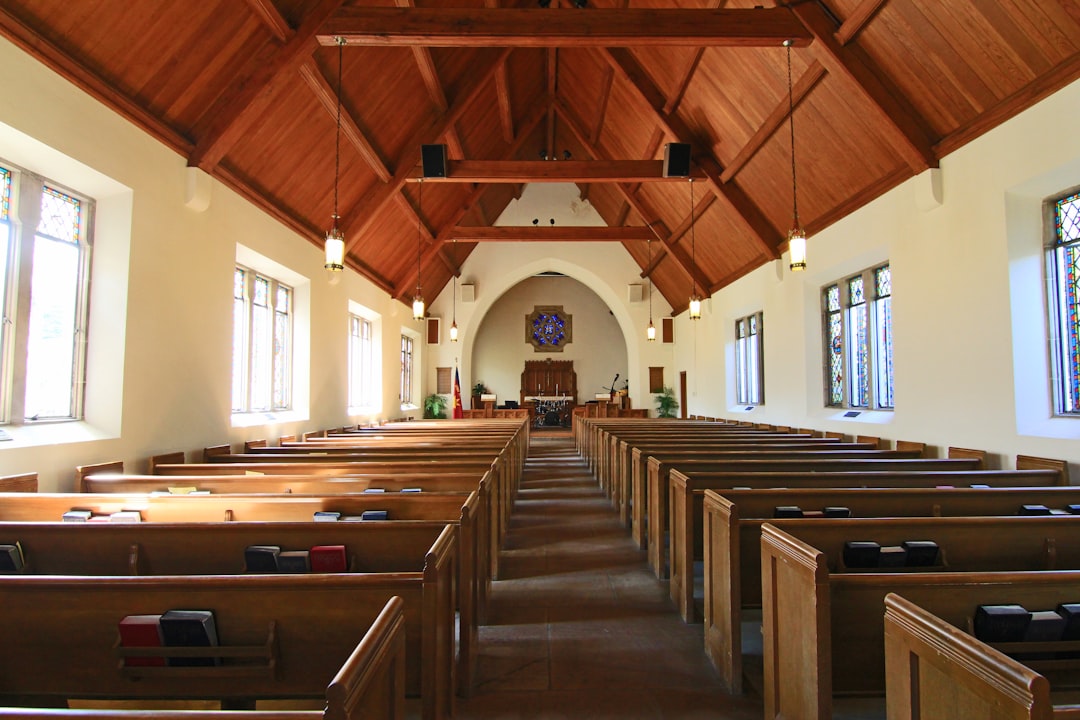
Choosing the right clergy abuse attorney in Miami FL is a critical step for survivors seeking justice and closure. With various legal options available, it’s essential to identify a lawyer who possesses both profound knowledge of church law and substantial experience handling such sensitive cases. Look for attorneys specializing in clergy abuse litigation, as they have an understanding of the unique challenges faced by survivors. Referrals from trusted sources, such as support groups or previous clients, can offer valuable insights into an attorney’s capabilities and ethical standards.
The best clergy abuse attorneys in Miami FL will exhibit several key qualities. First, they should maintain a transparent and open line of communication, ensuring you feel heard and respected throughout the legal process. Second, deep empathy and sensitivity are crucial when dealing with such personal matters; your lawyer should demonstrate genuine compassion for your experience. Third, an expert in clergy abuse law will be well-versed in state and federal laws governing these cases, as well as church governance structures, enabling them to navigate complex legal landscapes effectively.
Beyond qualifications, consider an attorney’s track record of successful outcomes in similar cases. Public records and case studies can provide data on their effectiveness. You deserve a lawyer who has a proven history of achieving justice for clergy abuse survivors, whether through settlements or court victories. Additionally, look for attorneys committed to advocating for your rights while maintaining the highest ethical standards, ensuring your privacy and confidentiality are protected throughout the legal process.
Navigating Justice: Steps to Seek Compensation and Healing

Navigating justice for clergy abuse survivors is a complex process that demands specialized guidance and support. In Miami, where diverse religious communities coexist, victims of spiritual abuse may face unique challenges in seeking compensation and healing. The first step involves connecting with a compassionate clergy abuse attorney Miami FL who understands the sensitivity of these cases. This legal expert will help survivors understand their rights and options, ensuring they are not burdened by complex legal jargon or procedures.
Survivors should gather relevant documentation, such as records from the abusive relationship, medical reports, and any available evidence that supports their claims. This process requires careful consideration of privacy concerns and potential confidentiality issues within religious institutions. For instance, a clergy abuse attorney Miami FL may advise clients on how to obtain records while preserving their anonymity. Additionally, connecting with support groups or therapy can be invaluable during this journey, as it provides emotional strength and helps process the trauma.
The legal strategy often includes filing civil lawsuits against responsible parties, such as religious organizations or individual clergy members. In Florida, survivors may seek compensation for physical, emotional, and psychological injuries resulting from abuse. Data suggests that successful settlements can range widely, depending on the severity of abuse and associated damages. However, it is crucial to approach these cases with patience and perseverance, as legal battles may be lengthy and emotionally taxing. A skilled attorney will navigate court procedures, negotiate settlements, or represent clients in trials to ensure the best possible outcome.
Ultimately, healing is not solely dependent on legal recourse but also on personal choices for moving forward. Survivors might consider charitable organizations or community initiatives focused on trauma recovery. Engaging with like-minded individuals and sharing experiences can foster a supportive environment. By combining legal actions with holistic healing practices, clergy abuse survivors in Miami can strive for justice and find pathways to restoration.